
As we get older, our skin becomes thinner, more delicate and easier to damage.
For an elderly person who spends a lot of time in bed or in a chair, needs help moving, or has bladder or bowel accidents, protecting the skin becomes an important part of everyday care.
The good news is that you don't need complicated equipment to start.
The basics are simple:
Keep the skin clean.
Keep it dry.
Reduce pressure.
Check it every day.
Act early when something changes.
Why Is Elderly Skin So Easily Damaged?
Think of elderly skin as more fragile than younger skin.
Something as simple as being pulled across a bed sheet, sitting in the same position for many hours, wearing a wet incontinence product or having a crease in the bedding can cause problems.
A person who moves independently will naturally change position when they become uncomfortable.
Someone who is weak, confused, very tired or unable to move themselves may stay in the same position for much longer.
That is when family members and carers need to pay extra attention.
Moisture: Don't Let the Skin Stay Wet
Moisture can come from urine, bowel movements, sweating, leaking wounds or even not drying properly after bathing.
When skin remains wet for long periods, it becomes soft and more vulnerable to irritation and damage.
If Mom or Dad uses incontinence products, check them regularly.
Don't wait for a product to become completely full before changing it.
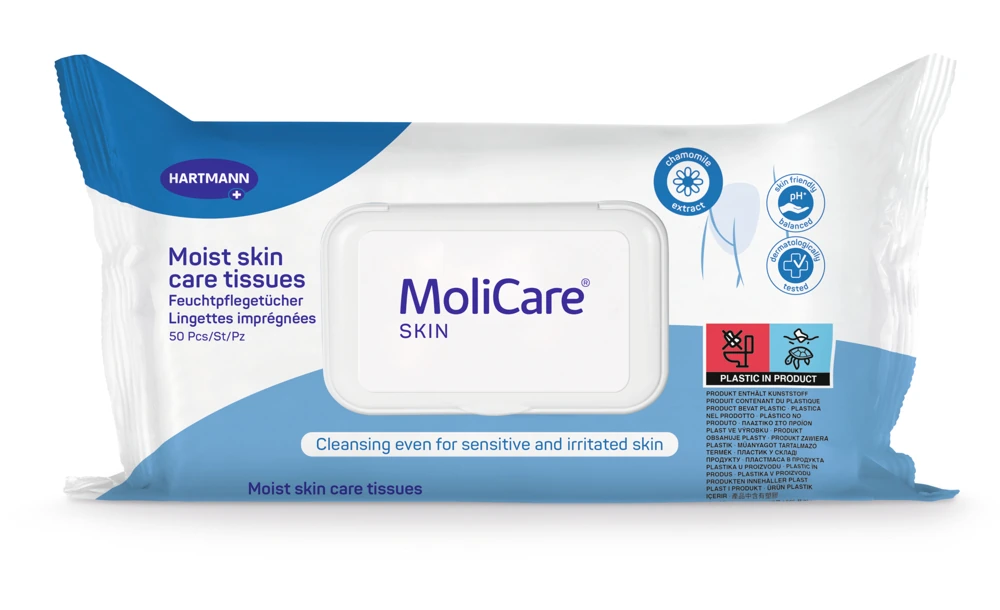
After an accident, gently clean the skin and dry it carefully.
Avoid vigorous rubbing.
Pat rather than scrub.
A suitable barrier cream or other skin-protection product can sometimes help protect areas that are repeatedly exposed to moisture.
If you aren't sure which product is suitable, ask a nurse, pharmacist or other healthcare professional.
More Cream Isn't Always Better
Families sometimes think that if a little barrier cream protects the skin, a thick layer must protect it even better.
That isn't necessarily true.
Use the product according to its instructions.
Very thick layers can make cleaning difficult and may make it harder to see what is happening underneath.
The important thing is gentle, regular skin care, not simply covering everything with cream.
Pressure: Why Staying in One Position Matters
Imagine sitting in exactly the same position for hours without shifting your weight.
Certain areas of the body carry more pressure than others.
Over time, the skin and tissue underneath can become damaged.
This is particularly important for someone who cannot easily move themselves.
Common areas to pay attention to include:
- Heels
- Ankles
- Hips
- Tailbone and buttocks
- Elbows
- Shoulder blades
- Back of the head
The areas at risk will depend on whether the person spends most of their time sitting or lying down.
Change Position Regularly
Someone who cannot reposition themselves may need assistance to change position regularly.
There isn't one turning schedule that is right for every elderly person.
How often someone needs repositioning depends on their mobility, skin condition, health, mattress, chair and other individual needs.
The important thing is not to leave a person who cannot move themselves in exactly the same position for long periods.
If your parent is able to move independently, encourage small position changes throughout the day.
If they need assistance, ask a nurse, physiotherapist or occupational therapist to show you safe ways of repositioning them.
Pay Special Attention to the Heels
Heels are easy to forget because we don't always see them.
If Mom or Dad spends a lot of time in bed, look at their heels every day.
Don't wait until they complain of pain.
If there is persistent redness, darkening, tenderness, blistering or broken skin, get professional advice.
For someone at higher risk, a healthcare professional can advise you about safe positioning or suitable pressure-relieving equipment.
Check the Skin Every Day
One of the best things a family caregiver can do is simply look.
Bathing, dressing and changing incontinence products are perfect opportunities to check the skin.
Look at the back, buttocks, hips, elbows, heels and anywhere equipment or clothing regularly presses or rubs.
Watch for:
Redness that doesn't settle
Dark or unusual discolouration
Warmth or swelling
Pain or tenderness
Blisters
Broken or peeling skin
Wet or weeping areas
On darker skin tones, early pressure damage may not look bright red. Instead, look for an area that appears darker or otherwise different from the surrounding skin, or feels warmer, firmer, softer or painful.
Don't Massage a Red Pressure Area
If you find an area that appears to be developing pressure damage, don't vigorously rub or massage it.
Remove pressure from the area and get advice if the change doesn't quickly settle or you are concerned.
Early action can prevent a small problem from becoming a much bigger one.
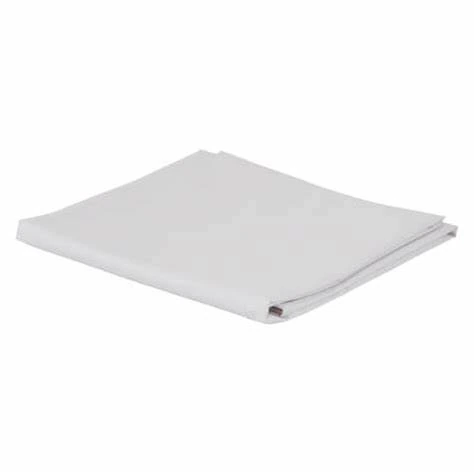
Keep Bedding Smooth and Dry
A tiny crease in a sheet may seem insignificant to us.
For someone lying in the same position for hours, it can become uncomfortable and contribute to skin problems.
Keep bedding:
Clean
Dry
Smooth
Free from crumbs and unnecessary objects
If the bed becomes wet after an accident, change the wet linen rather than placing another dry layer over it and leaving the damp bedding underneath.
Be Careful When Moving Someone in Bed
Try not to drag an elderly person across the sheets.
Dragging creates friction against delicate skin.
If Mom or Dad needs significant assistance with repositioning, ask a healthcare professional to demonstrate a safe technique and advise whether equipment such as a slide sheet would be useful.
Protecting their skin is important, but protecting the caregiver's back is important too.
Sitting in a Chair Needs Attention Too
Pressure care isn't only about people who are bedridden.
Someone can spend most of the day sitting in the same chair.
Encourage safe movement and position changes where possible.
Make sure they aren't slowly sliding down the chair, because this can cause rubbing and pressure.
If your parent spends many hours sitting and cannot shift their own weight, ask for advice about appropriate seating and pressure-relieving cushions.
Don't automatically buy a random cushion and assume the problem is solved.
Food and Fluids Matter
Healthy skin also needs support from inside the body.
Make sure your parent is eating adequately and getting enough protein and fluids, unless a healthcare professional has given different instructions.
If Mom or Dad is eating very little, losing weight or struggling to drink enough, mention it to their healthcare professional.
Don't Ignore a Small Sore
A tiny area of broken skin can become a much bigger problem, particularly when the pressure or moisture causing it continues.
Get professional advice if you notice skin that is breaking down, a blister, an open wound, unusual discolouration, increasing pain, swelling, heat, discharge, bad smell or a wound that isn't improving.
The earlier a problem is identified, the easier it may be to manage.
Quick Reference: LOOK – DRY – MOVE
LOOK
Check the skin every day, especially the heels, hips, buttocks, tailbone, elbows and other pressure areas.
DRY
Keep the skin clean and dry. Change wet or soiled incontinence products and clothing promptly.
MOVE
Encourage movement and position changes. If Mom or Dad cannot reposition themselves, they may need help.
Prevention Is Easier Than Treating a Wound
You don't need to be a nurse to protect an elderly person's skin.
You need to notice the small things.
A wet pad.
A damp sheet.
A heel that has been resting against the mattress for hours.
A crease underneath Dad's back.
Mom sitting in the same chair all afternoon.
A red or darker patch that wasn't there yesterday.
These may seem like little things, but paying attention to them can prevent significant skin damage.
Make skin care part of the normal daily routine rather than something you only think about once there is a wound.
LOOK. DRY. MOVE.
Further reading
General reference information. Follow your parent’s own care plan and use local emergency services.
This guide supports everyday family care. It does not replace an individual assessment, diagnosis, treatment or advice from your parent’s healthcare team. For urgent concerns, seek medical help.