
No wheels · 1 unit
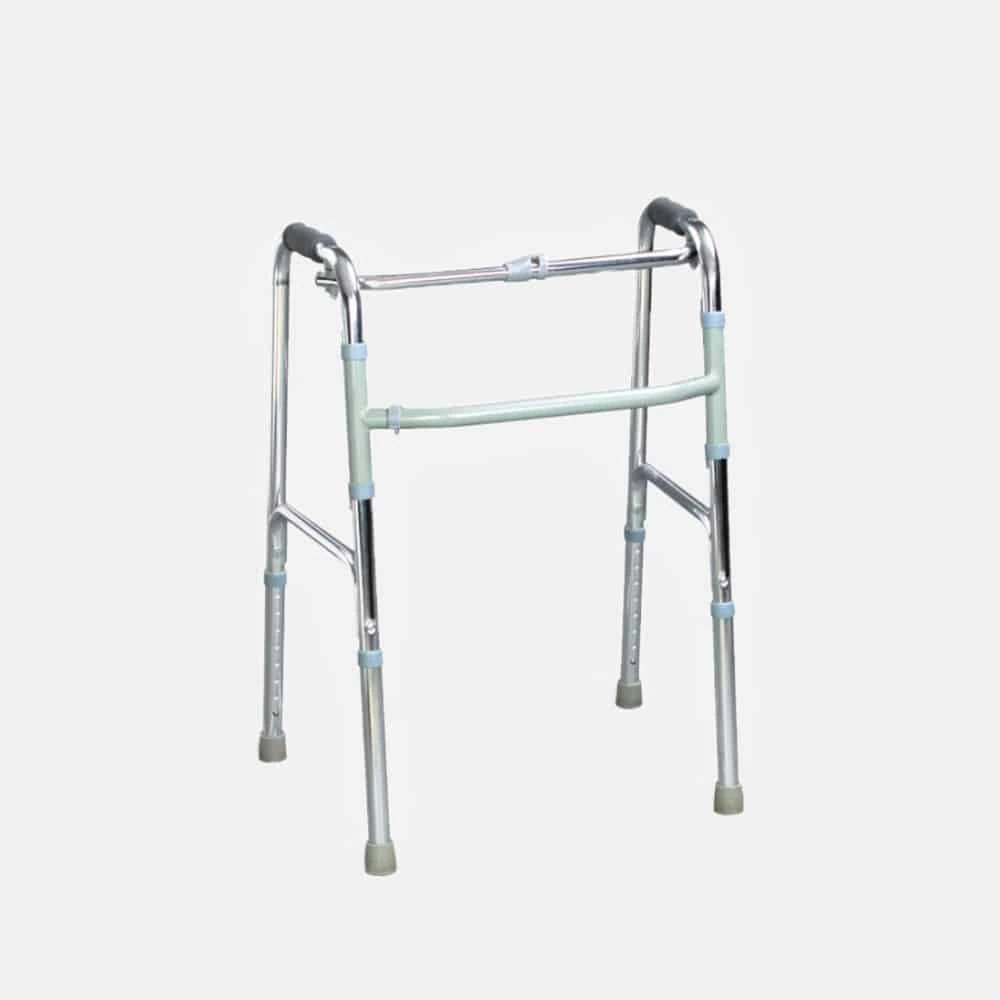
Foldable Walking Frame
A folding walking frame without wheels for an assessed mobility routine.
R 899.90
View productThe aim is to help your parent keep doing what matters to them. A walking aid should fit the person, their abilities and the places where they move.
A walking stick, frame and rollator offer different kinds of support. A physiotherapist or occupational therapist can help assess what is appropriate and show the person how to use it.
We can help you compare listed products. We cannot determine which device your parent medically requires from an online message.
Check doorways, turning space, floor surfaces and storage. Consider the route to the bathroom and whether the aid needs to travel in a car. Note whether a product folds and how it is stored.
For an adjustable product, confirm the height range, maximum user weight and the manufacturer’s requirements.
Ask for instruction on the exact aid and on getting between a bed, chair and toilet. A family member should not have to guess how to help with a transfer.
If mobility has changed suddenly, seek clinical advice rather than relying on a new piece of equipment.
Keep frequently used items reachable and routes clear. Ask your parent which everyday activities they most want to keep doing.
Read about maintaining independence at home and reducing falls risks.
We can explain product specifications, but choosing and fitting a mobility device should involve an appropriate healthcare professional.
Different designs require different control and balance. Choose following an assessment, rather than assuming that a wheeled aid is always the simplest option.
General educational references. Local services and individual care plans may differ.
Availability confirmed with order. Delivery is additional.
No wheels · 1 unit
A folding walking frame without wheels for an assessed mobility routine.
Ask Carlyn about the everyday routine or the products you’re considering.